Upcoming Solar Eclipses: A Complete Guide to the Sky Shows of 2025 and 2026
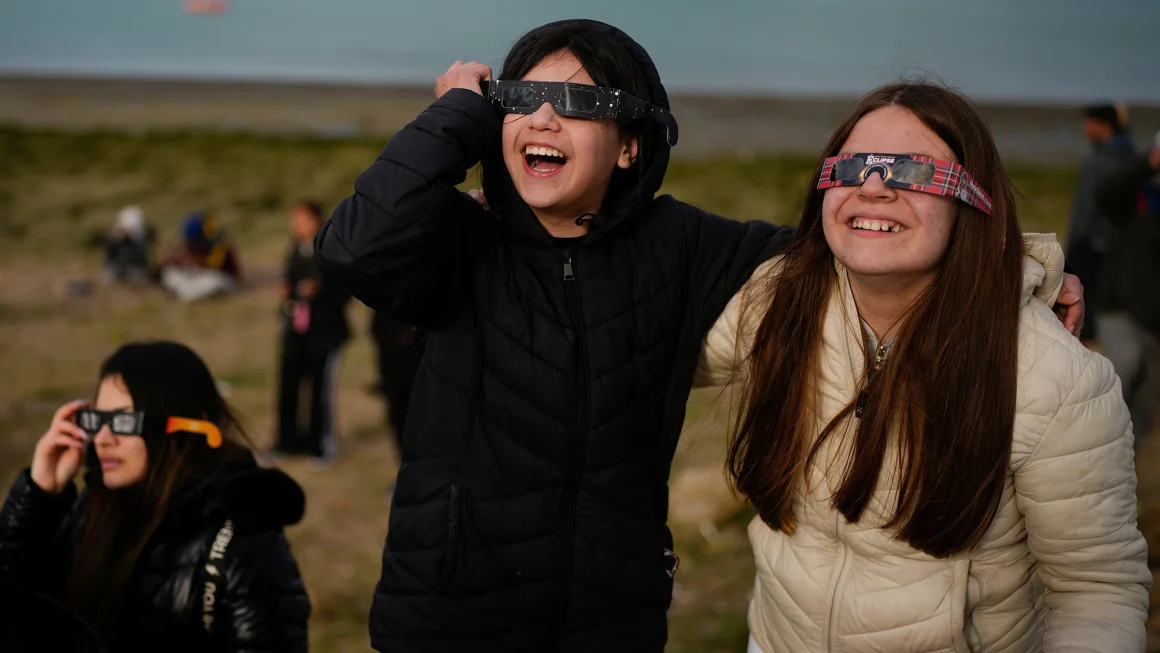
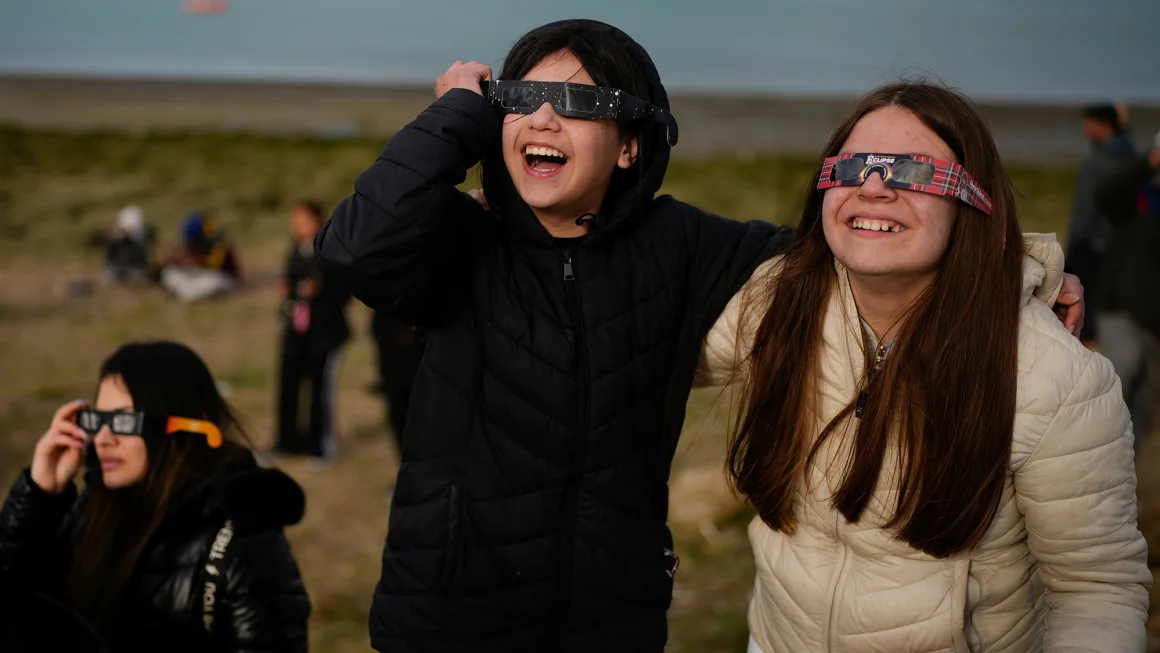
There’s something magical about watching the moon drift across the face of the sun. Even people who don’t usually follow astronomy look up in wonder when an eclipse appears. The recent “ring of fire” eclipse seen across South America reignited that excitement and many sky-watchers are already preparing for the next round of celestial events. The good news? You won’t have to wait long. The next two years have plenty in store partial eclipses, a dramatic annular eclipse and even a total eclipse that will sweep across several countries.
Before diving into the dates and locations, it helps to understand what creates these different types of eclipses and why some look more spectacular than others.
Understanding the Different Types of Solar Eclipses
Solar eclipses happen when the moon moves between Earth and the sun, casting a shadow on our planet. But depending on the moon’s distance from Earth and the alignment of the sun, moon and Earth, the eclipse can look dramatically different. Some create glowing rings, while others plunge entire regions into sudden darkness.
- What Makes an Annular Eclipse?: An annular eclipse occurs when the moon is farther away in its orbit. Because of this distance, it appears slightly smaller in the sky and can’t completely cover the sun. The result is the famous “ring of fire” a brilliant circle of sunlight surrounding the dark moon.
- What Happens During a Partial Solar Eclipse?: A partial eclipse is the most common. The moon covers only part of the sun, turning it into a crescent or a bite-shaped curve. While it’s less dramatic than an annular or total eclipse, it’s still a memorable sight and a great introduction for first-time observers.
- What Is a Total Solar Eclipse?: A total eclipse is the rarest and most breathtaking. For a few minutes, the moon blocks the sun completely. Daylight fades. Temperatures drop. Birds and animals become confused. The sun’s outer atmosphere, the corona, becomes visible a soft, ghostlike glow that can’t be seen any other time.
The next total eclipse is coming in 2026 and it’s expected to draw crowds from around the world.
Solar Eclipses to Watch in 2025
Although 2025 won’t bring another ring of fire, the year will still offer two partial solar eclipses visible from different parts of the world.
- Partial Solar Eclipse (March 29, 2025): The first of the year arrives in late March. People in the northeastern United States, parts of Canada, Greenland, Iceland and sections of Europe and northwest Africa will be able to witness the moon covering a portion of the sun. This event will not dim the sky dramatically, but the sun will appear as a glowing crescent, especially in areas close to the path of the moon’s deepest shadow. For those who missed the 2024 total eclipse, this will be an exciting warm-up.
- Partial Solar Eclipse Across Oceania (September 21, 2025): Six months later, another partial eclipse will take place, though it will be visible to far fewer people. New Zealand, Fiji, parts of Antarctica and a small region of Australia will have the best views. Sky-gazers in these regions will see the moon carve a noticeable arc out of the sun. For many in Oceania, this may be the most accessible eclipse before the major events of 2026.
Solar Eclipses Coming in 2026
While 2025 offers a few glimpses, 2026 will be the year that truly delivers. It brings both an annular and a total eclipse two very different but equally fascinating experiences.
- Annular “Ring of Fire” Eclipse (February 17, 2026): The next annular eclipse arrives early in the year, but its full ring of fire effect will only be visible from Antarctica. Because few people live or travel there, this eclipse won’t be widely viewed. However, parts of South America and southern Africa will see a partial version as the moon slides across the sun. Although these regions won’t get the dramatic ring, they’ll still witness a striking crescent-shaped sun.
- Total Solar Eclipse (August 12, 2026):This is the showstopper. A total solar eclipse will cut across Greenland, Iceland, northern Russia, Spain and a small area of Portugal. For several countries, this will be the first total eclipse in decades. Tourists, photographers and astronomy enthusiasts are already planning their trips. People in Europe, Africa and parts of North America will still experience a partial eclipse even if they’re not in the path of totality. But the most unforgettable views will belong to those directly under the moon’s shadow as day turns into night for a few surreal minutes.
Safety Tips for Watching Any Solar Eclipse
Eclipses are beautiful, but the sun is still powerful and looking directly at it can cause permanent eye damage. It’s essential to protect your vision properly.
- Use Proper Solar Glasses: Regular sunglasses are not safe. You must use certified eclipse glasses or a handheld solar viewer designed for looking directly at the sun.
- Cameras and Telescopes Need Special Filters: If you're using binoculars, a telescope or a camera, you must place a certified solar filter on the front. Never look through any device using eclipse glasses alone. The concentrated sunlight can burn through the filter and damage your eyes instantly.
- When Is It Safe to Look Without Glasses?: Only during the few minutes of totality when the sun is completely covered can you safely look at the sky with the naked eye. This applies only to total eclipses, not partial or annular ones.
Future Total Solar Eclipses Around the World
If you’re the kind of person who wants to plan years ahead, here’s a helpful list of upcoming major total eclipses and where they will be visible:
- July 22, 2028: Australia, New Zealand
- November 25, 2030: Namibia, Botswana, South Africa, Lesotho, Australia
- March 20, 2034: Nigeria, Cameroon, Sudan, Egypt, Saudi Arabia, Iran, Afghanistan, Pakistan, India, China
- September 2, 2035: China, North Korea, South Korea, Japan
- July 13, 2037: Australia and New Zealand
- December 26, 2038: Australia and New Zealand
- April 30, 2041: Angola, Democratic Republic of Congo, Uganda, Kenya, Somalia
- April 20, 2042: Malaysia, Indonesia, Brunei, Philippines
- April 9, 2043: Russia
Eclipse-chasing has become a global thrill both for seasoned travelers and people simply looking for a once-in-a-lifetime experience.
FAQs
- How often do solar eclipses happen?
Solar eclipses occur two to five times a year, but total eclipses at any single location are rare.
- Can I watch a solar eclipse without special glasses?
Not safely. You need certified eclipse glasses unless you're in the brief period of totality during a total eclipse.
- Why do some eclipses look different from others?
It depends on the moon’s distance from Earth and how perfectly aligned the sun, moon and Earth are.
- What is the “path of totality”?
It’s the narrow track across Earth where viewers can see a total solar eclipse.
- Are partial solar eclipses safe to watch?
Yes, but only with proper solar filters or eclipse glasses. Never look directly at the sun.